

1
Custom DTF Gang Sheets Same Day: Setup & Heat Press Guide
Sep
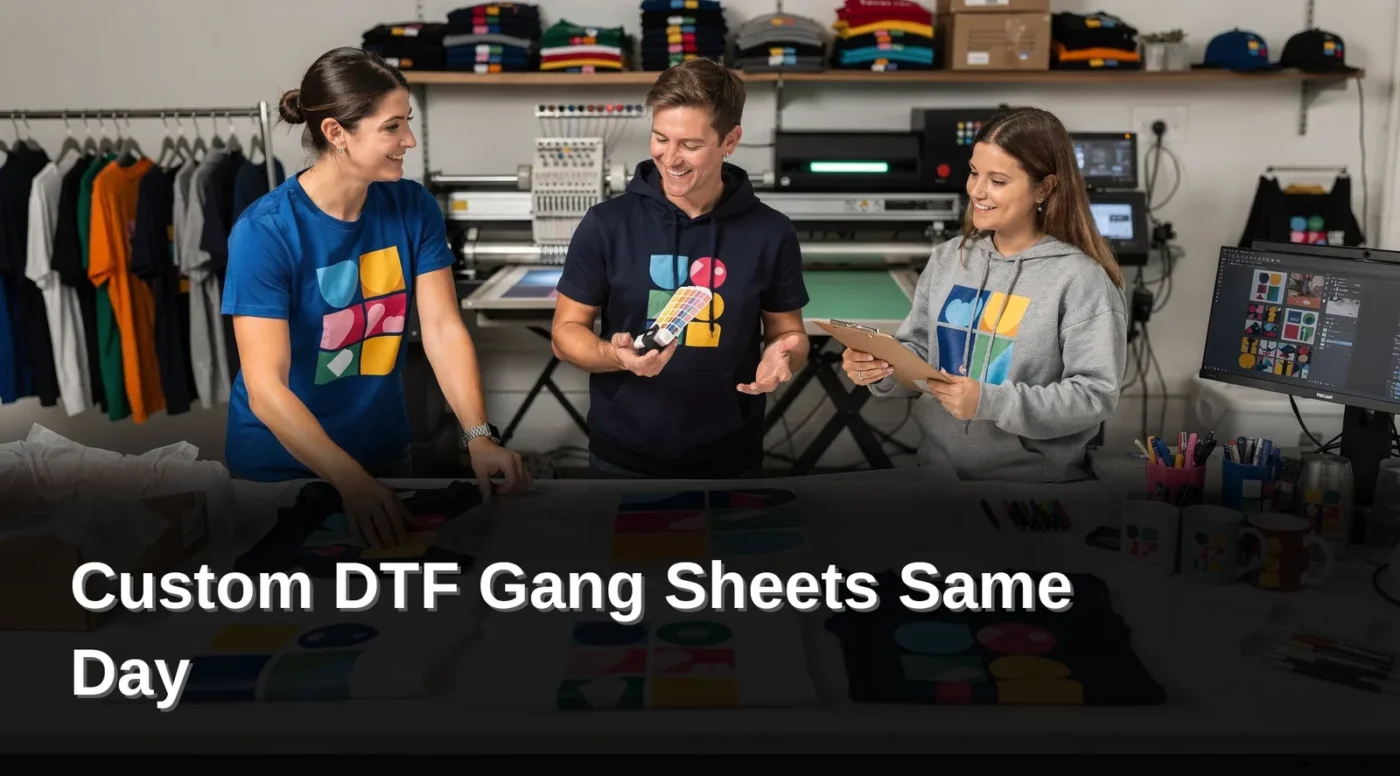
Gang Sheet Builder starts your setup, upload artwork, arrange designs to fill the sheet, and save up to 40% versus single transfers. No weeding needed: apply with a heat press in seconds onto any fabric color for durable, vibrant results. Embellishway, based in Plainfield, IL, ships every order ready to press.
Custom DTF gang sheets combine multiple designs onto one sheet for efficient, cost-effective printing across apparel and accessories. Embellishway guides clients through uploading artwork, arranging designs, and reviewing proofs before production. Finished transfers press onto fabric using a heat press, delivering screen-print-quality results with strong wash durability for shirts, hoodies, and promotional apparel.
Key Takeaways
- DTF transfers print designs onto special film with adhesive powder for 100+ wash durability.
- Heat press application takes just 10 seconds with no weeding required for any fabric.
- Gang sheets enable printing multiple designs simultaneously, maximizing efficiency and reducing production costs significantly.
- Embellishway serves a wide range of small to medium businesses, including printshops, makers, brands, crafters, and designers.
What Do You Need Before Building A Gang Sheet?
Print-ready artwork comes first. Clear files, correct sizing, and a finished layout plan set the foundation for a strong gang sheet order. Embellishway supports this stage directly, offering custom DTF printing alongside embroidery and screen printing as part of its broader apparel decoration lineup.
Before submitting a sheet, gather the following:
- A finished design file, ideally vector-based, sized to the intended print area
- Color separation reviewed for accuracy across each design element
- Ready to press DTF graphics confirmed for placement on the target garment
- A layout plan noting how many designs fit on one sheet
Design support matters here. Embellishway operates as a one-stop shop for elevating business brand presence. That includes helping customers turn raw ideas into vector art suited for print. Businesses exploring the full process can review this complete direct-to-film printing guide for a deeper walkthrough of each stage.
Does the artwork resolution matter?
Yes. Gang sheet setup 300 DPI resolution keeps edges crisp and colors sharp once pressed. Low-resolution files often blur or pixelate during the transfer process, so starting with a properly scaled file protects the final result.
How does DTF actually transfer onto fabric?
DTF printing places designs onto a specialized film pre-coated with adhesive powder. A heat press then bonds that film to the garment, which explains why DTF transfer wash durability dark cotton hoodies holds up well across repeated washes. For businesses weighing decoration methods, this Heat Transfer Vinyl vs DTF: Durability & Cost breaks down how DTF stacks up against heat transfer vinyl.
How Do You Set Up And Order Your Design?
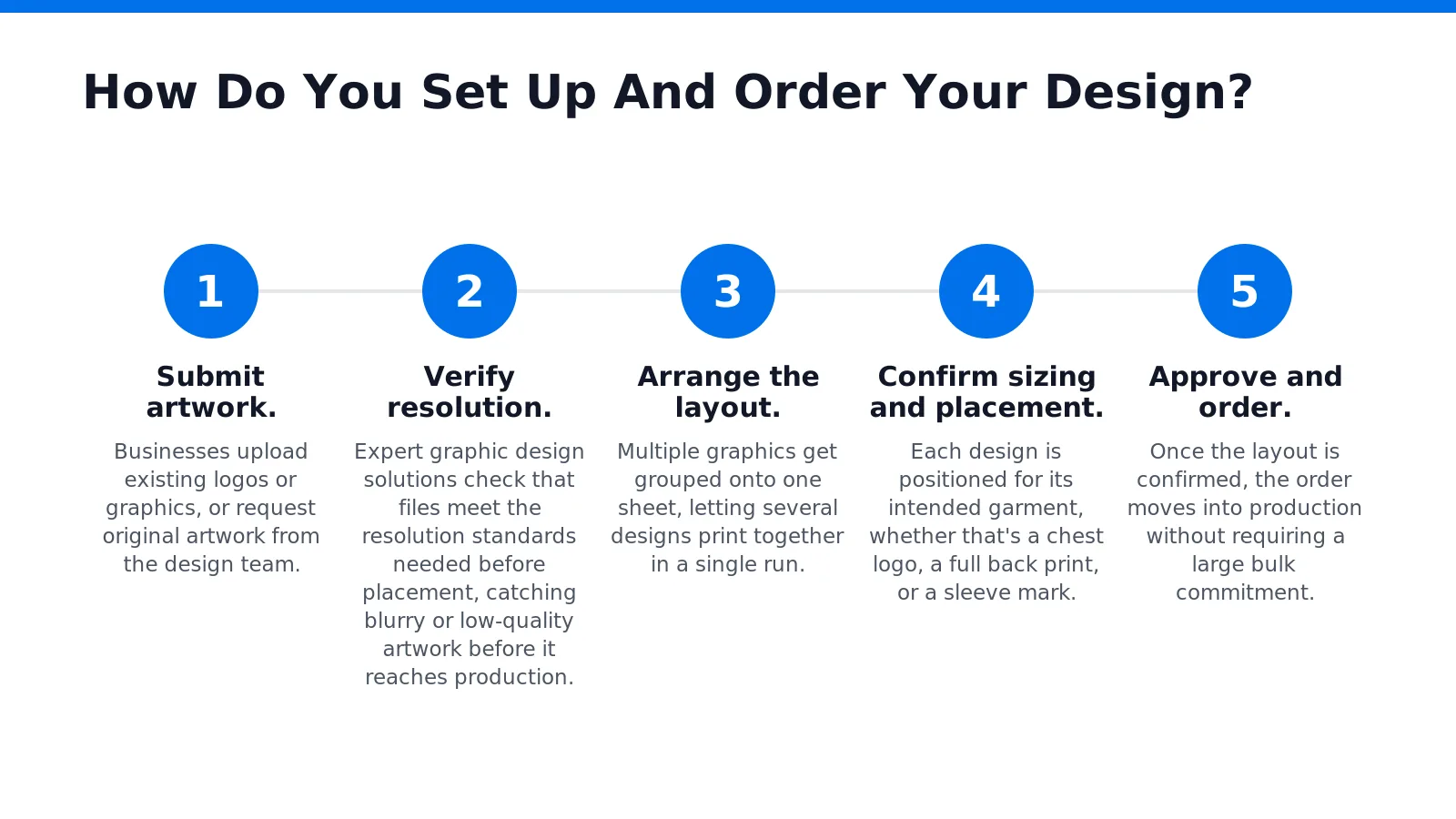
Setup begins with clean artwork and ends with a printed sheet ready for pressing. Five steps take a design from concept to finished order.
- Submit artwork. Businesses upload existing logos or graphics, or request original artwork from the design team.
- Verify resolution. Expert graphic design solutions check that files meet the resolution standards needed before placement, catching blurry or low-quality artwork before it reaches production.
- Arrange the layout. Multiple graphics get grouped onto one sheet, letting several designs print together in a single run.
- Confirm sizing and placement. Each design is positioned for its intended garment, whether that’s a chest logo, a full back print, or a sleeve mark.
- Approve and order. Once the layout is confirmed, the order moves into production without requiring a large bulk commitment.
What Makes A Gang Sheet Different From A Single Transfer?
A single transfer holds one design. A gang sheet groups several designs onto one printed sheet, which lowers the per-piece cost and speeds up production for businesses ordering multiple graphics at once. Grouping this way suits companies running varied merchandise lines, since each item doesn’t need a separate print pass. Businesses can also learn more about how Custom DTF Transfers: Setup, Pressing & Ordering fit into a broader apparel decoration strategy.
Does Ordering Require A Minimum Quantity?
No minimum DTF transfers are required to get started. Fair, transparent pricing lets businesses request the exact quantity needed, whether that’s one gang sheet or several, without committing to bulk purchasing upfront.
How Do You Heat Press And Fix Issues?
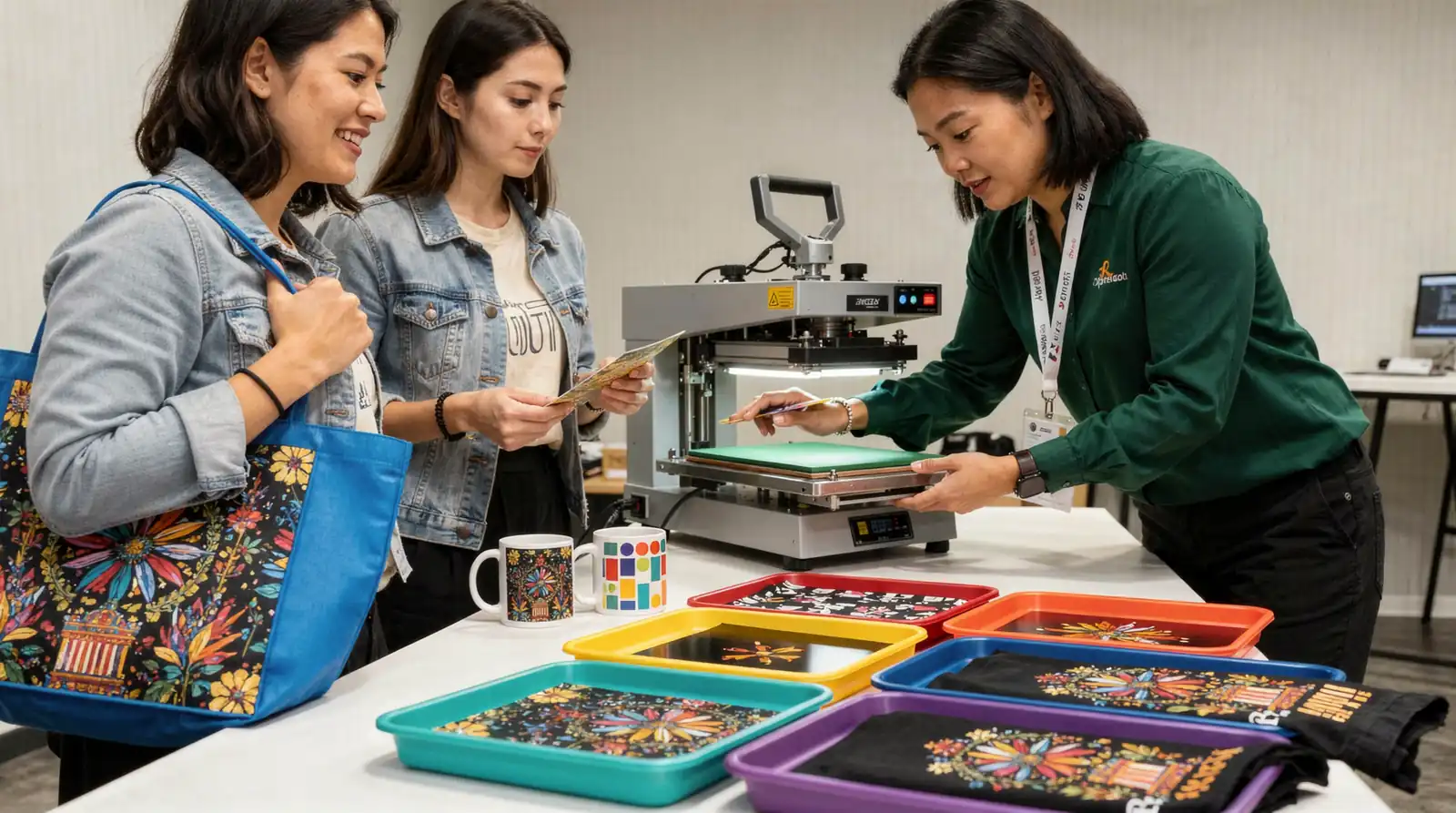
Pressing goes smoothly when customers follow a set order of steps rather than guessing at heat and time. Ready to press DTF graphics adhere straight onto nearly any fabric color, with no weeding step required beforehand. Skipping that stage saves time and reduces the risk of peeling edges later.
- Preheat the garment for a few seconds to remove moisture and wrinkles.
- Position the transfer film adhesive-side down on the fabric.
- Apply firm, even pressure with the heat press for the recommended time.
- Peel the film slowly once it cools, following the cold-peel or hot-peel instructions for that batch.
- Press again with a protective sheet to lock in adhesion.
Why Does A Transfer Peel After Washing?
Peeling usually traces back to uneven pressure or insufficient heat during the first press. Garments made for repeat washing, such as dark cotton hoodies, need transfers rated for wash durability strong enough to survive frequent laundering. A second, brief press after peeling often solves persistent lifting at the corners.
What If The Design Looks Off After Pressing?
Placement or sizing problems are easiest to fix before final production, not after. Sharing proofs and measurements ahead of time, paired with fast, thorough communication, catches these issues early. Embellishway is located in Plainfield, IL, United States.
FAQ
What resolution should gang sheet artwork use?
Artwork prepared at 300 DPI or higher gives the printer enough detail to render clean lines. Accurate color once the transfer is pressed. Files below that threshold tend to lose sharpness and show visible pixelation on the finished garment.
Conclusion
In closing, mastering DTF gang sheets transforms your heat press operation into a streamlined production system that balances efficiency with creative flexibility. By understanding setup fundamentals, ordering strategically, and applying proper heat press technique, you unlock the ability to produce professional-quality custom transfers at scale. Whether you’re building inventory or fulfilling client orders, this workflow delivers consistent results that reflect your brand’s commitment to quality and precision.