

1
What Are Essential Custom Website Security Features?
Essential Custom Website Security Features: Comprehensive Guide to Protecting Your Online Business
In the digital age, securing your custom website is paramount to safeguarding your business and customer data. This comprehensive guide delves into essential custom website security features that every online business should implement. Readers will learn about common vulnerabilities, best practices for secure development, and strategies to protect against cyber threats. As online businesses face increasing risks from cyberattacks, understanding these security measures is crucial for maintaining trust and integrity. This article will cover the most common website vulnerabilities, best practices for secure development, essential security features, and a comprehensive security checklist to ensure your website remains protected.
What Are the Most Common Website Vulnerabilities Affecting Custom Sites?
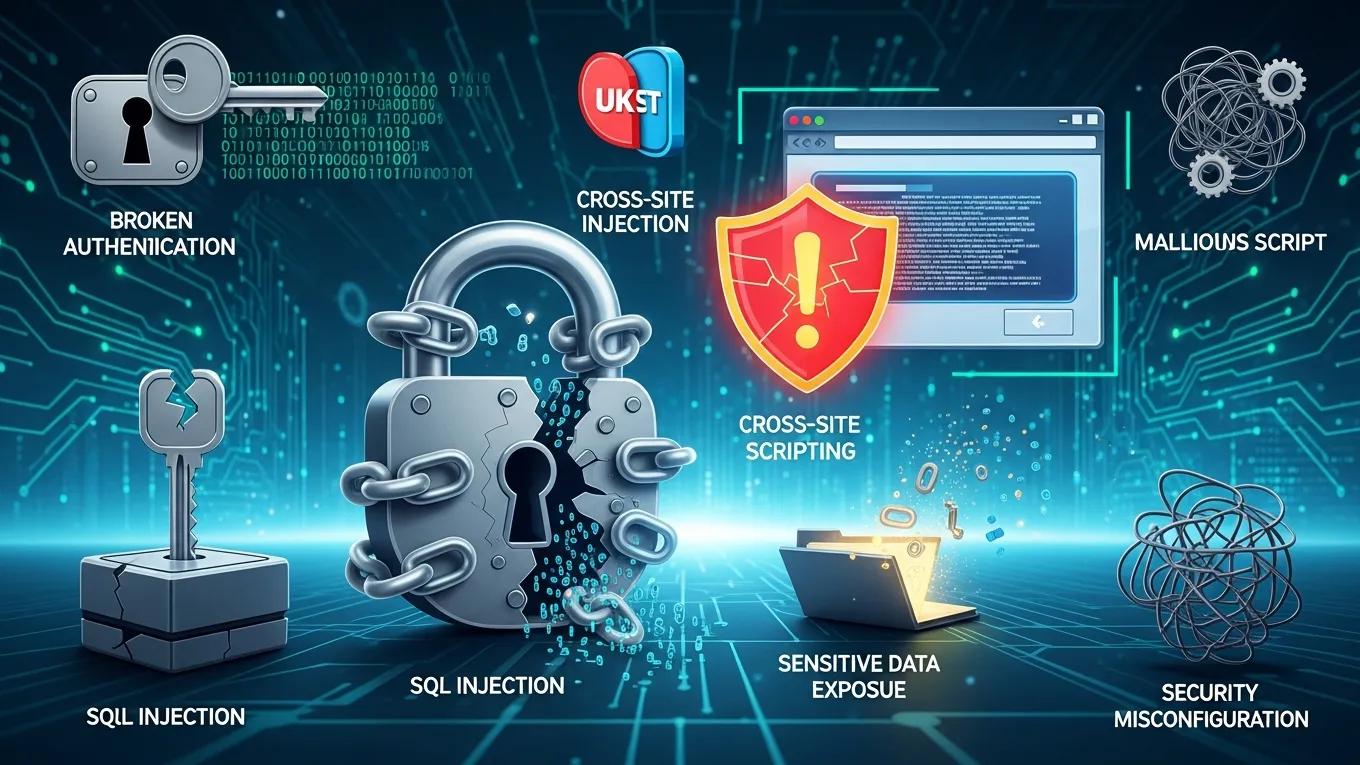
Custom websites are often targeted due to their unique configurations and potential security gaps. Understanding these vulnerabilities is the first step in fortifying your online presence. Common vulnerabilities include SQL injection, cross-site scripting (XSS), and weak passwords, which can lead to unauthorized access and data breaches. By identifying these risks, businesses can take proactive measures to enhance their security posture.
How Do Vulnerabilities Like SQL Injection and Cross-Site Scripting Impact Security?
SQL injection and cross-site scripting (XSS) are two prevalent vulnerabilities that can severely compromise website security. SQL injection occurs when attackers manipulate a website’s database queries, allowing them to access sensitive data or execute unauthorized commands. For instance, a successful SQL injection attack can lead to the exposure of customer information or even complete control over the database. Similarly, XSS allows attackers to inject malicious scripts into web pages viewed by users, potentially leading to data theft or session hijacking. Real-world examples highlight the devastating impact these vulnerabilities can have, emphasizing the need for robust security measures.
Further emphasizing the importance of robust security measures, recent research highlights how full-stack security approaches are crucial for protecting web applications from common threats like SQL injection and XSS.
Full-Stack Security: Protecting Web Apps from Data Breaches & Cyber Attacks
As dependence on web and mobile apps grows, security and compliance have emerged as essential priorities in framework design and deployment. This analysis analyses advancements in full-stack development frameworks, highlighting their security and compliance approaches to tackle contemporary issues like as data breaches, unauthorised access, and regulatory non-compliance. The research examines notable full-stack frameworks, such as MEAN (MongoDB, Express.js, Angular, Node.js), MERN (MongoDB, Express.js, React, Node.js), and Django, emphasising their intrinsic security attributes. This encompasses strong authentication methods, encryption standards, and protection against prevalent attacks like as SQL injection, cross-site scripting (XSS), and cross-site request forgery (CSRF).
Adaptive Trust Engineering: AI-Driven Full-Stack Mechanisms for Privacy, Compliance, and
Data Quality, VK Yarram, 2025
What Risks Do Weak Passwords and Outdated Software Pose?
Weak passwords and outdated software present significant risks to website security. Statistics show that over 80% of data breaches are linked to weak or stolen passwords, making it essential for businesses to enforce strong password policies. Additionally, outdated software can contain known vulnerabilities that hackers exploit. Regular updates and patches are crucial to mitigate these risks, as they often address security flaws that could be leveraged by cybercriminals. By prioritizing password strength and software updates, businesses can significantly reduce their exposure to potential attacks.
Which Best Practices Ensure Secure Custom Website Development?

Implementing best practices during the development phase is vital for creating secure custom websites. These practices not only protect sensitive data but also enhance user trust and compliance with regulations. Key strategies include adopting secure coding practices, conducting regular security audits, and utilizing encryption technologies.
Adhering to established security standards and best practices, such as those outlined by OWASP, is fundamental for developing secure web applications and mitigating prevalent risks.
Web Application Security: Standards, Best Practices & OWASP Top Ten
This chapter delves into the critical security standards and best practices essential for PHP application development. This chapter will explore the OWASP Top Ten, highlighting the most prevalent web application security risks, and provide guidance on implementing secure coding practices and conducting thorough code reviews. It will cover secure authentication and authorization mechanisms to safeguard user data and ensure proper access control. Additionally, the chapter will discuss methods for security testing and vulnerability assessments to identify and mitigate potential threats. Finally, it will address secure deployment and DevOps considerations, emphasizing the importance of integrating security throughout the development lifecycle.
Security standards and best practices, 2024
How Does Implementing SSL Certificates Protect Data Transmission?
SSL certificates play a crucial role in securing data transmission between a user’s browser and the web server. By encrypting the data exchanged, SSL certificates prevent unauthorized access and ensure that sensitive information, such as credit card details and personal data, remains confidential. This encryption not only protects users but also enhances trust, as visitors are more likely to engage with websites that display secure connection indicators. Implementing SSL is a fundamental step in safeguarding online transactions and maintaining customer confidence.
Why Is Two-Factor Authentication Essential for User Account Security?
Two-factor authentication (2FA) adds an extra layer of security to user accounts by requiring a second form of verification beyond just a password. This could be a text message code, an authentication app, or a biometric scan. The effectiveness of 2FA lies in its ability to thwart unauthorized access, even if a password is compromised. By implementing 2FA, businesses can significantly enhance their user account security, protecting sensitive information from potential breaches.
What Are the Essential Security Features Every Custom Website Should Have?
To ensure comprehensive protection, custom websites should incorporate several essential security features. These features work together to create a robust defense against various cyber threats, safeguarding both the business and its customers.
How Do Web Application Firewalls and Malware Scanners Enhance Protection?
Web application firewalls (WAFs) and malware scanners are critical components of a comprehensive security strategy. WAFs monitor and filter incoming traffic to detect and block malicious requests, providing a first line of defense against attacks such as SQL injection and XSS. Meanwhile, malware scanners regularly check for harmful software that could compromise the website’s integrity. Together, these tools enhance protection by identifying and mitigating threats before they can cause damage.
What Role Does Regular Penetration Testing Play in Maintaining Security?
Regular penetration testing is essential for maintaining website security. This proactive approach involves simulating cyberattacks to identify vulnerabilities before malicious actors can exploit them. By conducting these tests periodically, businesses can uncover weaknesses in their security posture and address them promptly. Best practices suggest performing penetration tests at least annually, ensuring that security measures remain effective against evolving threats.
How Can Businesses Protect Their Custom Websites from Hackers?
Protecting custom websites from hackers requires a multifaceted approach that combines technology, best practices, and user education. By implementing effective strategies, businesses can significantly reduce their risk of falling victim to cyberattacks.
What Strategies Mitigate Ransomware and Other Cyberattacks?
To mitigate ransomware and other cyberattacks, businesses should adopt a comprehensive security strategy that includes regular data backups, employee training, and incident response planning. Regular backups ensure that data can be restored in the event of an attack, while employee training raises awareness about phishing and other common tactics used by cybercriminals. Additionally, having a well-defined incident response plan allows businesses to react swiftly and effectively to security breaches, minimizing potential damage.
How Do AI-Driven Security Monitoring Tools Improve Threat Detection?
AI-driven security monitoring tools enhance threat detection by analyzing vast amounts of data in real-time to identify unusual patterns and potential threats. These tools leverage machine learning algorithms to adapt and improve their detection capabilities over time, making them increasingly effective at identifying emerging threats. By integrating AI-driven solutions into their security infrastructure, businesses can bolster their defenses and respond more rapidly to potential attacks.
The effectiveness of AI in bolstering web application security is further supported by research demonstrating how AI-driven static and dynamic analysis techniques can significantly improve vulnerability detection.
AI-Driven Security for Modern Web Applications & Vulnerability Detection
The application layer in the modern web, developed for various purposes such as banking, social networking, etc., is widely exposed to cyber threats due to loopholes in application architecture. To address these issues, it has been found that the incorporation of AI in security analysis has been quite effective. In this paper, the author scrutinizes the manner in which static and dynamic analysis methods propelled by artificial intelligence can strengthen the security of the current web-intensified applications. Here, we see the very essence of modern web applications and identify the significant increase in the number and depth of threats. We then provide a comparative analysis of traditional and AI methods for detecting vulnerabilities.
Securing modern web applications using AI-driven static and dynamic analysis techniques, S Phanireddy, 2025
What Does a Comprehensive Website Security Checklist Include for Custom Sites?
A comprehensive website security checklist is an invaluable resource for businesses looking to enhance their security measures. This checklist should encompass various aspects of website security, ensuring that all critical areas are addressed.
Which Steps Should Be Taken to Regularly Update and Audit Security Measures?
Regular updates and audits are essential for maintaining website security. Businesses should establish a routine for checking software updates, applying patches, and reviewing security configurations. Additionally, conducting regular security audits helps identify potential vulnerabilities and ensures compliance with industry standards. By prioritizing these steps, businesses can stay ahead of emerging threats and maintain a secure online presence.
How Can Structured Data and Schema Markup Enhance Security Content Visibility?
Structured data and schema markup play a vital role in enhancing the visibility of security content. By implementing these techniques, businesses can improve their search engine rankings and ensure that their security measures are easily discoverable by users. This increased visibility not only helps attract more visitors but also reinforces the importance of security in the online landscape. By effectively communicating their security efforts, businesses can build trust and credibility with their audience.