

1
Top Features Every Custom Business Website Should Have
Top Features Every Custom Business Website Should Have for Effective User Experience and Sales
In the digital age, a well-designed custom business website is essential for enhancing user experience and driving sales. This article explores the top features that every custom business website should incorporate to ensure it meets the needs of its users while also achieving business objectives. Readers will learn about the importance of user-friendly navigation, responsive design, high-quality visuals, and effective engagement strategies. By addressing common pain points, such as complicated navigation and poor mobile optimization, businesses can create websites that not only attract visitors but also convert them into loyal customers. The following sections will delve into critical features, including streamlined checkout processes, customer support tools, and “SEO optimization” strategies, all of which contribute to a successful online presence.
User-Friendly Navigation
User-friendly navigation is a cornerstone of effective website design, significantly impacting user experience and retention. Intuitive navigation allows users to find information quickly and easily, reducing frustration and enhancing satisfaction. Key elements of user-friendly navigation include clear categories and subcategories, which help users understand the structure of the website. Additionally, incorporating a search bar can further streamline the navigation process, allowing users to locate specific content without hassle. Ultimately, effective navigation not only improves user experience but also encourages visitors to explore more pages, increasing the likelihood of conversions.
How Does Clear Website Layout Enhance User Experience?
A clear website layout enhances user experience by providing an organized and visually appealing interface. When users encounter a clean and structured layout, they can easily identify key products and services, which fosters engagement. The use of whitespace is crucial in this context, as it improves readability and allows users to focus on essential elements without feeling overwhelmed. By prioritizing a clean layout, businesses can create a more enjoyable browsing experience that encourages users to stay longer and interact with the content.
What Are Best Practices for Website Navigation Design?
Best practices for website navigation design include maintaining consistency across all pages, ensuring that navigation elements are easily accessible, and considering accessibility for all users. Consistency in design helps users develop familiarity with the website, making it easier for them to navigate. Additionally, incorporating accessible features, such as keyboard navigation and screen reader compatibility, ensures that all users can interact with the site effectively. By adhering to these best practices, businesses can create a more inclusive and user-friendly website.
Further emphasizing the importance of inclusive design, research highlights common challenges faced by keyboard users when navigating modern websites.
Web Accessibility: Keyboard Navigation Barriers
The ability to navigate the Web via the keyboard interface is critical to people with various disabilities. However, modern websites often violate web accessibility guidelines for keyboard navigability.
Bagel: An approach to automatically detect navigation-based web accessibility barriers for keyboard users, PT Chiou, 2023
Clear Website Layout
A clear website layout is vital for engaging users and guiding them through the site. It allows businesses to highlight key products and services while avoiding clutter that can detract from the user experience. An effective layout should prioritize essential information, making it easy for users to find what they need without unnecessary distractions. By focusing on clarity and organization, businesses can enhance user engagement and drive conversions.
Responsive and Mobile-First Design
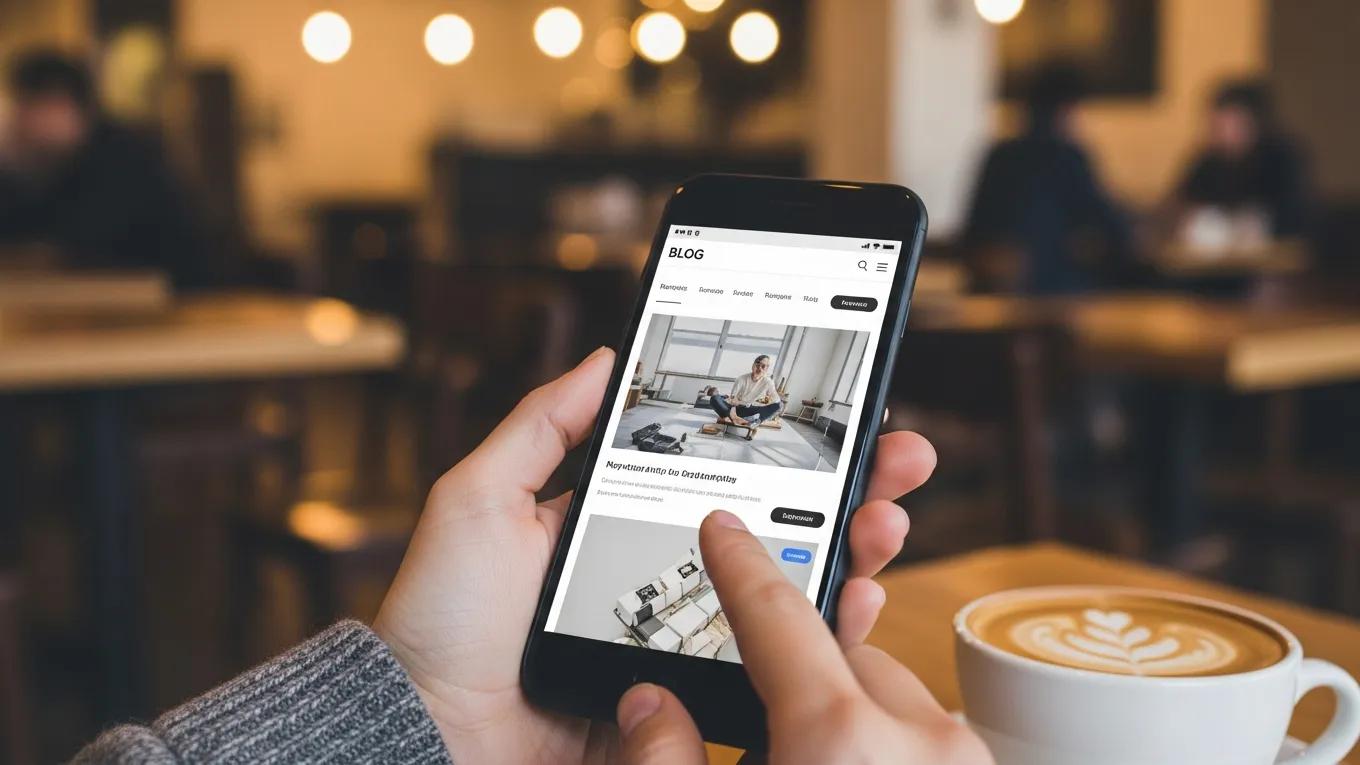
In today’s mobile-centric world, responsive and mobile-first design is essential for any custom business website. A mobile-first approach ensures that the website is optimized for smaller screens, providing a seamless experience across all devices. This design strategy not only improves user experience but also positively impacts search engine rankings, as search engines prioritize mobile-friendly sites. By adopting responsive design principles, businesses can cater to the growing number of users accessing websites via smartphones and tablets.
The complexities of designing for various devices underscore the need for thoughtful responsive and mobile-first strategies.
Responsive Web Design & Mobile-First UX
This paper discusses the challenges in user interface design for responsive websites, native mobile apps, and mobile web first, followed by separate desktop web designs. The paper also reviews basic principles of UX: Focus on the user. Measure. Iterate.
Responsive, mobile app, mobile first: untangling the
UX design web in practical experience, C Mullins, 2015
Why Is Mobile Responsiveness Critical for Business Website Success?
Mobile responsiveness is critical for business website success because it directly affects user engagement and satisfaction. Research indicates that over 50% of web traffic comes from mobile devices, making it essential for websites to function effectively on these platforms. A mobile-responsive design enhances usability by adjusting layout and content to fit various screen sizes, ensuring that users can navigate the site effortlessly. Furthermore, mobile responsiveness contributes to better SEO performance, as search engines favor sites that provide a positive mobile experience.
High-Quality Visuals

High-quality visuals play a significant role in capturing user attention and enhancing engagement. Websites that utilize high-resolution images and videos can create a more immersive experience for visitors. Engaging visuals not only showcase products effectively but also help convey the brand’s message and values. Additionally, incorporating interactive visuals, such as infographics and animations, can further enhance user engagement by making the content more dynamic and appealing.
Engagement Strategies
Implementing effective engagement strategies is crucial for maintaining user interest and encouraging interaction. Businesses can enhance user engagement by incorporating features such as newsletters, customer reviews, and social media integration. Newsletters keep users informed about new products and promotions, while customer reviews provide social proof that can influence purchasing decisions. By leveraging these strategies, businesses can foster a sense of community and encourage repeat visits to their website.
Streamlined Checkout Process
A streamlined checkout process is essential for reducing cart abandonment and increasing sales. By minimizing the number of steps required to complete a purchase, businesses can create a more efficient and user-friendly experience. Offering multiple payment options, such as credit cards, digital wallets, and buy-now-pay-later services, can also enhance convenience for users. A smooth checkout process not only improves customer satisfaction but also encourages repeat purchases.
Optimizing the user interface, particularly the checkout process, is a critical factor in maximizing e-commerce conversion rates.
E-commerce GUI Optimization for Sales
In this chapter, we discuss a computational method that supports the design, revision, and amendment of web e-commerce GUI by finding the optimal placement of interactive elements. The definition of optimal placement is context-specific and it aims at maximizing measurable aspects of the user experience. To prove this concept, we present a study on e-commerce websites where placement of the checkout button has a significant impact on the online sale process conversion rate. The system identifies nonoptimal placement, and it recommends an alternative position that is likely to improve the conversion rate.
Automating the optimization of web interfaces for e-commerce, A Lutfi, 2018
Customer Support Features
Incorporating robust customer support features is vital for addressing user inquiries and enhancing overall satisfaction. Businesses should provide multiple contact methods, including live chat, email, and phone support, to cater to different user preferences. Additionally, a comprehensive FAQ section can help users find answers to common questions quickly. By prioritizing customer support, businesses can build trust and foster long-term relationships with their clients.
SEO Optimization
SEO optimization is crucial for improving a website’s visibility and attracting organic traffic. Implementing relevant keywords throughout the site, optimizing meta tags, and ensuring fast loading times are essential components of effective “SEO strategies”. By focusing on these elements, businesses can enhance their search engine rankings and reach a broader audience. Furthermore, custom design and printing solutions can play a role in SEO by ensuring that the website’s visual elements are optimized for search engines.
Analytics and Feedback Mechanisms
Tracking user behavior through analytics and feedback mechanisms is essential for continuous improvement. Businesses can utilize tools such as Google Analytics to monitor user interactions and identify areas for enhancement. Additionally, gathering user feedback through surveys and reviews can provide valuable insights into customer preferences and pain points. By leveraging this data, businesses can make informed decisions to optimize their website and improve user experience.
Different ecommerce functionalities can significantly impact user engagement and sales. Below is a comparison of essential ecommerce features that custom business websites should consider.
This comparison highlights the importance of integrating diverse ecommerce functionalities to enhance user experience and drive sales.