

Custom Embroidery
2026 Custom Website Design Costs: Pricing Guide & Insights
2026 Custom Website Design Costs: Pricing Guide & Insights
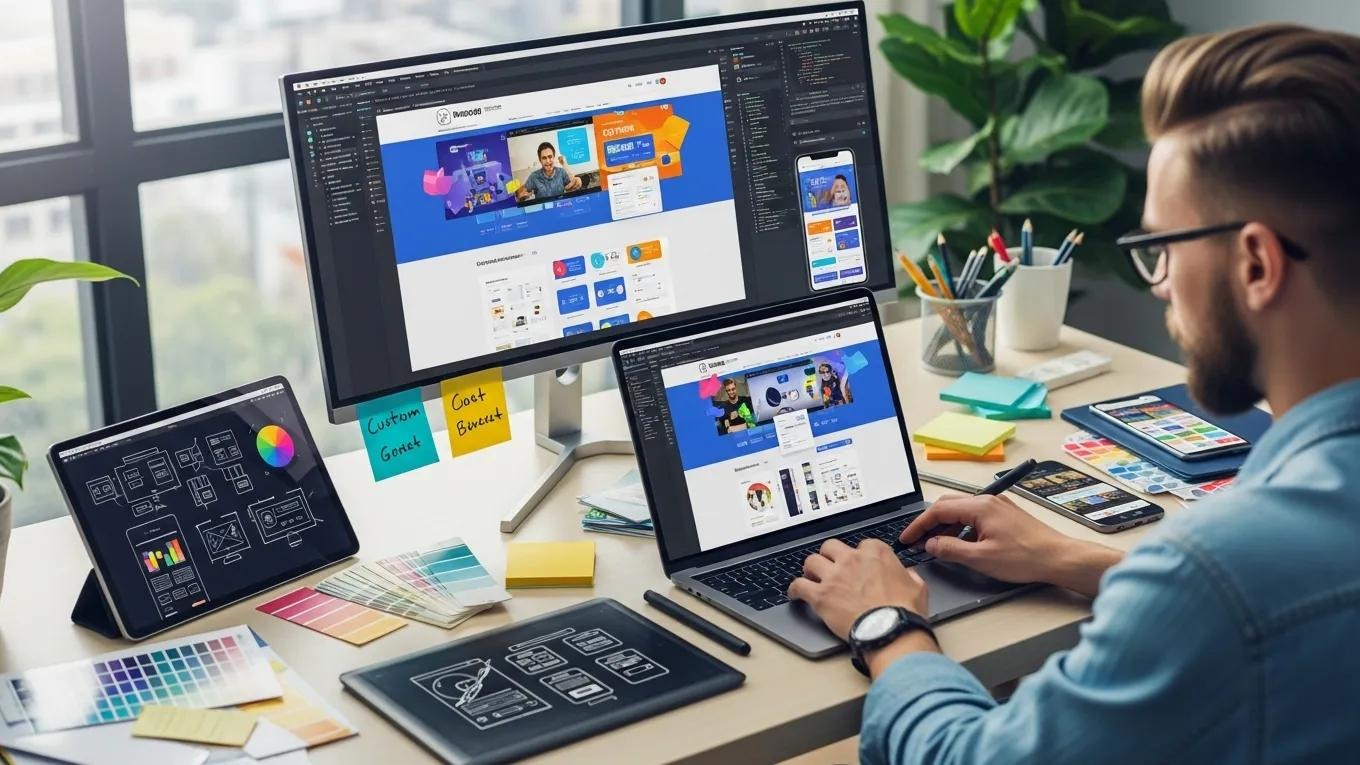
As businesses increasingly recognize the importance of a strong online presence, understanding the costs associated with custom website building services becomes essential. In 2026, the landscape of web development is evolving, with various factors influencing pricing structures. This article will explore the key elements that affect custom website pricing, compare custom development to template-based solutions, and provide insights into what small to medium businesses can expect to pay. Additionally, we will discuss the pricing models offered by Embellishway, a company specializing in high-quality custom design and printing solutions, and highlight the latest trends impacting website design costs.
What Are the Key Factors Affecting Website Development Costs in 2026?

Several factors play a crucial role in determining the costs associated with website development in 2026. Understanding these elements can help businesses make informed decisions when budgeting for their online presence.
How Do Project Complexity and Features Influence Pricing?
Project complexity significantly impacts the overall cost of website development. More intricate projects that require advanced features, such as e-commerce capabilities, custom integrations, or extensive databases, typically incur higher costs. For instance, a simple informational website may cost significantly less than a fully functional e-commerce platform with payment processing and inventory management.
Additionally, the inclusion of specific features, such as responsive design, user authentication, and content management systems, can further elevate the price. Businesses should carefully assess their needs and prioritize features that align with their goals to manage costs effectively.
What Role Does Design Customization and Branding Integration Play?
Design customization and branding integration are vital components that influence website development costs. A unique and tailored design that reflects a brand’s identity often requires more time and resources, leading to increased expenses. For example, businesses seeking a fully customized user interface and experience will likely pay more than those opting for a standard template.
Moreover, effective branding integration can enhance user engagement and conversion rates, making it a worthwhile investment. Companies that prioritize their brand’s visual identity and user experience may find that the additional costs yield significant returns in customer loyalty and satisfaction.
Indeed, experts emphasize that investing in personalized design directly translates to improved customer satisfaction and business outcomes.
Custom Web Design ROI: Higher Conversions & Loyalty
I’ve built websites and digital products for hundreds of businesses, and the correlation between custom design investment and customer satisfaction is striking. Businesses that invest inpersonalized designconsistently see higher conversion rates, lower bounce rates, and stronger customer loyalty than those using off-the-shelf templates. Let me show you exactly how custom design impacts customer experience and why the ROI justifies the investment.
The Impact of Custom Designs on Customer Experience, G Tiwari, 2026
How Does Custom Website Development Compare to Template-Based Website Builders?
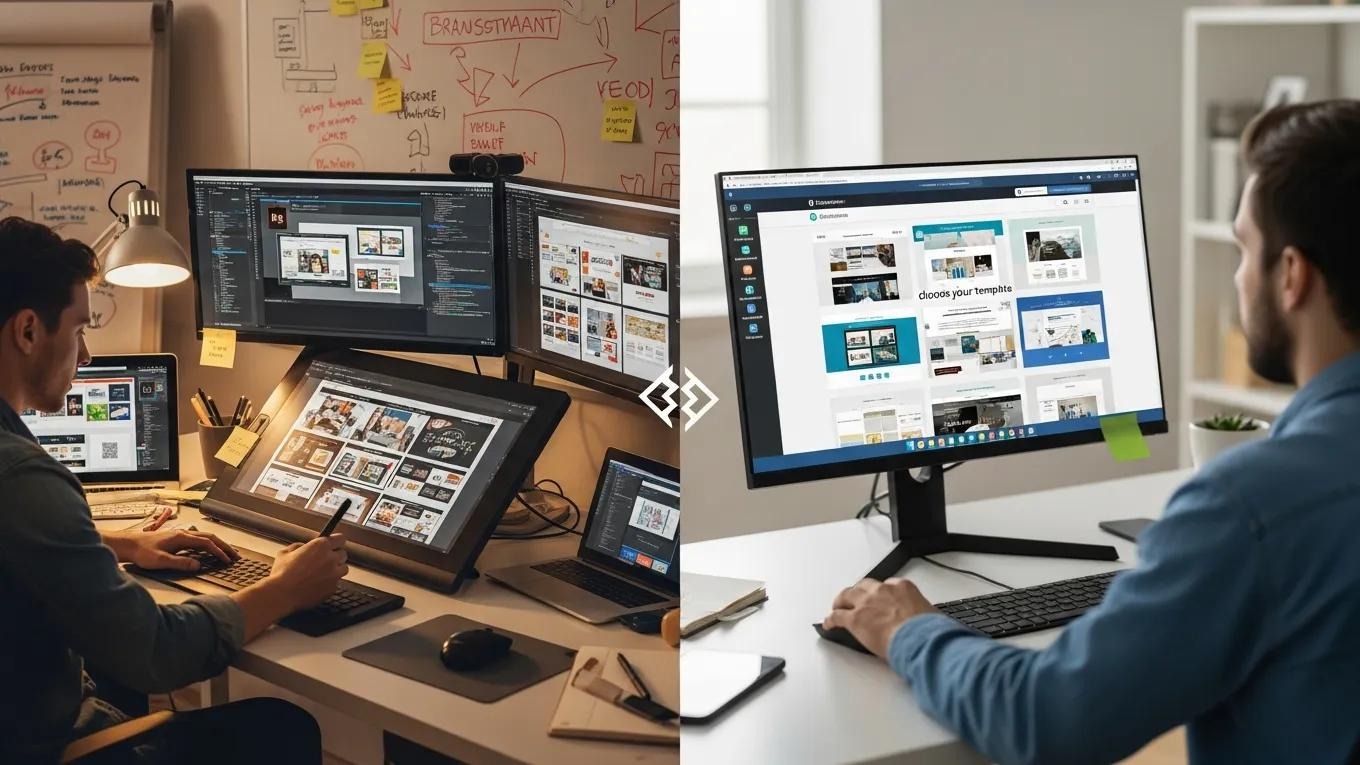
When considering website development options, businesses often weigh the benefits of custom solutions against template-based website builders. Each approach has its advantages and drawbacks, which can significantly affect overall costs.
What Are the Cost Differences Between Custom and Template Websites?
Custom website development typically involves higher upfront costs compared to template-based solutions. While template builders offer lower initial expenses and faster deployment, they may lack the flexibility and scalability that custom websites provide. For instance, a custom-built site can be tailored to specific business needs, while templates may require compromises in functionality and design.
This perspective highlights how templated solutions often cater to more generic needs and can be developed quickly, sometimes even when client requirements are still evolving.
Web Project Design: Templated Solutions & Client Requirements
The nature of Web systems is substantially different from more conventional software systems. They are developed in shorter timeframes, often act as the direct interface between multiple stakeholders, meet a more generic set of requirements, and generally serve a less specific user group. They are often developed very quickly from templated solutions, using coarse-grained authoring tools, and by the efforts of a multidisciplinary team. There is often considerable uncertainty on the part of the client as to their own requirements.
Client needs and the design process in web projects, DB Lowe, 2002
In the long run, businesses should consider the total cost of ownership, including maintenance and potential redesigns, when evaluating these options. Custom websites may require more investment initially but can lead to better long-term value through enhanced performance and user experience.
Which Option Offers Better Value for Small to Medium Businesses?
For small to medium businesses, the choice between custom development and template-based solutions often hinges on their specific needs and budget constraints. Custom websites can offer better value in terms of unique branding and tailored functionality, which can drive customer engagement and conversions.
However, for businesses with limited budgets or those just starting, template-based solutions may provide a cost-effective way to establish an online presence. Ultimately, the decision should align with the business’s long-term goals and growth plans.
This is particularly relevant for microenterprises, which often operate under significant resource constraints, making cost-effective digital solutions crucial for their growth.
Digital Marketing for Microenterprises: Resource Constraints & Strategies
Even though about 92% of U.S. businesses are microenterprises, microenterprise owners and employees face harsh resource restrictions that impact how they approach digital marketing. Faced with limited human and financial capital, microenterprise owners lack targeted, informative digital marketing resources that can help them grow their businesses without requiring expensive campaigns and a large marketing team. This thesis examines strategies for enhancing microenterprises’ digital marketing in today’s digital landscape and provides specialized resources tailored to assist microenterprises in developing and implementing their own digital marketing strategies.
Digital Marketing for Microenterprises: Educating Microenterprises to Develop Better Digital Marketing Strategies, 2026
Custom vs. Template Website Builders: Cost, Flexibility & Scalability
Embellishway offers a range of pricing models and packages designed to meet the diverse needs of businesses seeking custom website development. Understanding these options can help clients choose the best fit for their requirements.
How Are Pricing Packages Structured to Meet Different Business Needs?
Embellishway structures its pricing packages to accommodate various business needs, ensuring flexibility and scalability. Packages may include options for basic informational websites, e-commerce platforms, and fully customized solutions. Each package is designed to provide essential features while allowing for additional customization based on client preferences.
What Are the Benefits of Choosing Embellishway’s Custom Website Development?
Choosing Embellishway for custom website development comes with several advantages. The company specializes in high-quality design and printing solutions, ensuring that clients receive a product that aligns with their brand identity. Additionally, Embellishway’s focus on customer satisfaction and support sets it apart from competitors, making it a reliable partner for businesses looking to enhance their online presence.
How Much Should Small to Medium Businesses Expect to Pay for Professional Website Design in 2026?
Understanding the expected costs for professional website design is crucial for small to medium businesses planning their budgets. In 2026, various factors will influence these costs, including project complexity, design requirements, and additional features.
What Are Typical Price Ranges for Small Business Website Projects?
Small businesses can expect to pay anywhere from $3,000 to $10,000 for a professional website, depending on the complexity and features required. Basic informational sites may fall on the lower end of this range, while more complex e-commerce platforms or custom solutions will likely be at the higher end.
How Do Maintenance and Redesign Costs Affect Overall Investment?
Ongoing maintenance and potential redesign costs are essential considerations for businesses budgeting for their websites. Regular updates, security enhancements, and content management can add to the overall investment. Businesses should factor in these costs when planning their budgets to ensure they can maintain a high-quality online presence over time.
What Are the Latest 2026 Trends Impacting Website Design Costs?
The landscape of website design is continually evolving, with new trends emerging that can influence costs. Staying informed about these trends can help businesses make strategic decisions regarding their online presence.
How Are Modular Design and Branding Integration Shaping Pricing?
Modular design, which allows for flexible and scalable website structures, is becoming increasingly popular. This approach can lead to cost savings by enabling businesses to implement changes and updates without a complete redesign. Additionally, effective branding integration remains a priority, as businesses seek to create cohesive and engaging user experiences that resonate with their target audience.
Why Is Client Collaboration and Post-Launch Support Increasingly Valued?
Client collaboration and post-launch support are gaining importance in the website development process. Businesses are recognizing the value of ongoing communication and support to ensure their websites meet evolving needs. This trend can lead to increased costs initially but ultimately results in a more successful and sustainable online presence.
What Frequently Asked Questions Do Clients Have About Custom Website Building Costs?
Clients often have common questions regarding the costs associated with custom website building. Addressing these inquiries can help businesses better understand their investment.
What Factors Should Clients Consider When Evaluating Website Design Prices?
When evaluating website design prices, clients should consider factors such as project complexity, required features, and ongoing maintenance costs. Additionally, understanding the value of customization and branding integration can help clients make informed decisions about their investments.
Is Custom Website Development Worth the Investment Compared to Alternatives?
Custom website development can be worth the investment for businesses seeking unique branding and tailored functionality. While initial costs may be higher than template-based solutions, the long-term benefits of enhanced user experience and customer engagement often justify the expense. Businesses should weigh their specific needs and goals when making this decision.