

Custom Embroidery
Screen Printing vs DTF: Choosing the Right Custom Apparel Method
Screen Printing vs DTF: Choosing the Right Custom Apparel Method
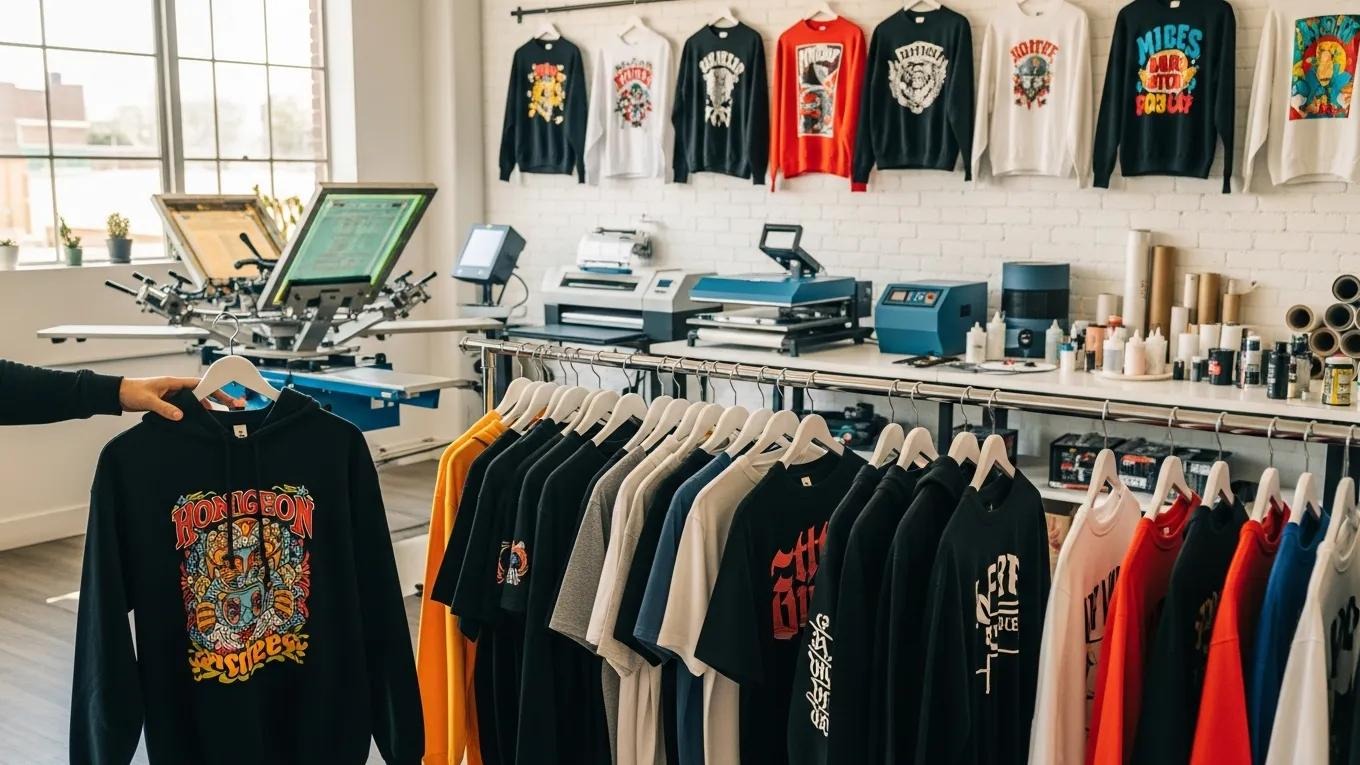
When it comes to customizing apparel, choosing the right printing method can significantly impact the quality, cost, and overall satisfaction of your project. Two popular techniques, screen printing and direct to film (DTF) printing, each offer unique advantages and considerations. This article will delve into the intricacies of both methods, helping you understand their processes, benefits, and ideal applications. By the end, you will be equipped to make an informed decision tailored to your specific needs.
Understanding the broader landscape of textile printing reveals that both digital and traditional methods come with their own set of innovations and limitations.
Digital vs. Traditional Textile Printing for Apparel: Innovations & Constraints
This paper reports the evaluation of textile digital printing including our experimental observations in production and this paper encloses the analysis of innovations and unease features of digital printing industry also. Digital printing can make apperal and home textile pattern design more attractive. However, the application of digital printing contains some constrains. Also the application of traditional printing contains some constrains.
Innovations and analysis of textile digital printing technology, 2019
In this guide, we will explore the following key areas: the workings of screen printing, the advantages of DTF printing, a cost comparison between the two methods, their durability and quality differences, and how to choose the right method for your custom apparel needs. Additionally, we will highlight how Embellishway can assist you in executing your custom printing projects effectively.
What Is Screen Printing and How Does It Work?
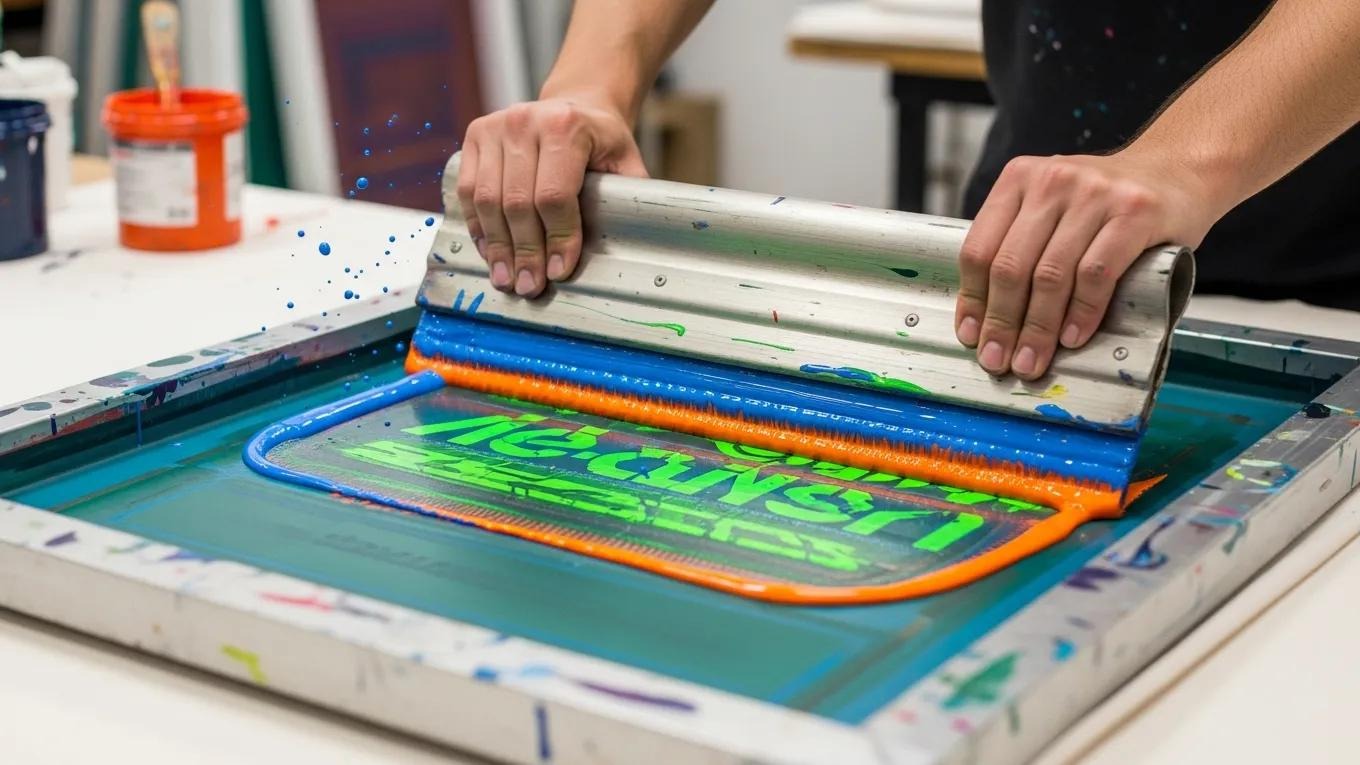
Screen printing is a traditional printing technique that involves creating a stencil (or screen) and using it to apply layers of ink onto a substrate, typically fabric. This method is renowned for its ability to produce vibrant colors and durable prints, making it a popular choice for custom apparel. The process begins with preparing the screen, which is coated with a light-sensitive emulsion. Once the design is transferred onto the screen, ink is pushed through the mesh onto the fabric using a squeegee.
What Are the Key Features and Benefits of Screen Printing?
Screen printing offers several key features and benefits that make it a preferred choice for many businesses:
- Durability: The inks used in screen printing are thick and adhere well to the fabric, resulting in long-lasting prints that can withstand multiple washes.
- Cost-Effectiveness for Large Orders: Screen printing becomes more economical as the order size increases, making it ideal for bulk production.
- Vibrant Colors: This method allows for the use of a wide range of colors, producing bright and eye-catching designs.
These advantages make screen printing particularly suitable for promotional apparel and large-scale orders.
Which Ink Types and Materials Are Used in Screen Printing?
Screen printing utilizes various ink types, including plastisol, water-based, and discharge inks. Each type has its unique properties and applications:
- Plastisol Inks: These are the most commonly used inks in screen printing, known for their opacity and durability. They sit on top of the fabric, providing vibrant colors.
- Water-Based Inks: These inks penetrate the fabric, resulting in a softer feel and a more natural look. They are often preferred for eco-friendly printing.
- Discharge Inks: These inks remove the dye from the fabric, allowing for a soft print that retains the fabric’s original color.
Understanding the different ink types helps in selecting the right one for your specific project needs.
What Is Direct to Film Printing and What Are Its Advantages?
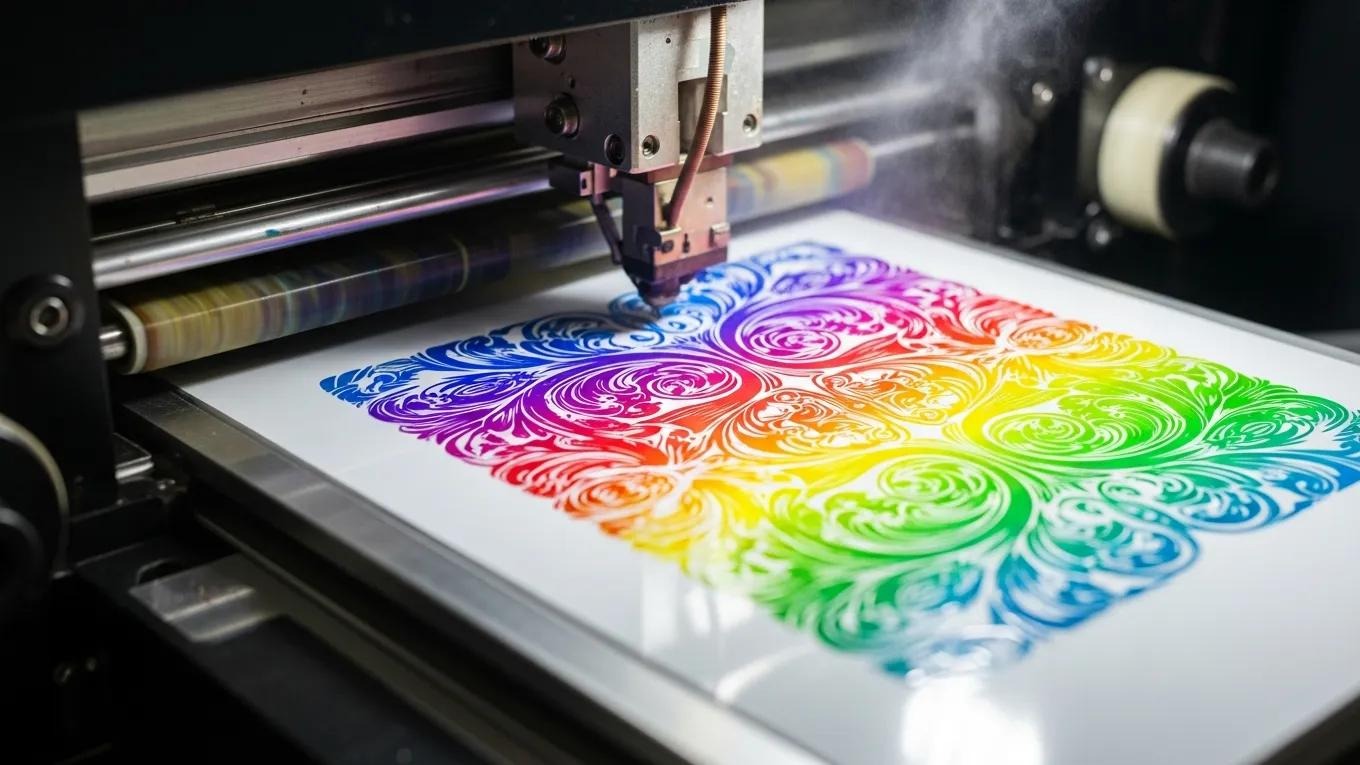
Direct to film (DTF) printing is a modern technique that involves printing designs onto a special film, which is then transferred onto the fabric using heat and pressure. This method has gained popularity due to its versatility and ability to produce high-quality prints with intricate details.
How Does DTF Printing Differ Technically from Screen Printing?
DTF printing differs from screen printing in several key ways:
- Process: DTF printing uses a digital printer to create the design on a film, while screen printing requires a physical stencil for each color.
- Setup Time: DTF printing typically has a shorter setup time, making it more suitable for smaller runs or one-off designs.
- Color Range: DTF can reproduce a wider range of colors and gradients, making it ideal for complex designs.
These technical differences highlight the unique capabilities of DTF printing, especially for detailed and colorful designs.
What Are the Unique Benefits of DTF Printing for Custom Apparel?
DTF printing offers several unique benefits that cater to specific needs:
- Vibrant Colors and Detail: DTF printing excels in producing intricate designs with vibrant colors, making it perfect for detailed graphics.
- Cost-Effectiveness for Small Runs: Unlike screen printing, DTF does not require a minimum order quantity, making it ideal for small batches or custom pieces.
- Soft Feel: The transfer process results in a soft print that feels comfortable against the skin, enhancing the overall wearability of the apparel.
The rise of digital textile printing, including methods like DTF, has significantly transformed business models and opened new avenues for custom apparel.
Digital Textile Printing: Innovation, Business Models & Niche Markets
The adoption of digital textile printing has spurred innovation in product offerings and business models. This trend has also facilitated the rise of microbrands and niche markets
Advancements in digital textile printing, P Goyal, 2024
How Do Screen Printing and DTF Compare in Cost and Order Size?
When considering cost and order size, both screen printing and DTF printing have their advantages and limitations.
What Are the Typical Cost Differences Between Screen Printing and DTF?
| Printing Method | Setup Cost | Cost per Unit (Small Orders) | Cost per Unit (Large Orders) |
|---|---|---|---|
| Screen Printing | Higher | Moderate | Lower |
| DTF Printing | Lower | Higher | Moderate |
Screen printing tends to be more cost-effective for larger orders due to lower unit costs, while DTF printing is more economical for smaller runs due to its lower setup costs.
Which Printing Method Is More Suitable for Small vs. Large Orders?
- Screen Printing: Best suited for large orders (typically over 50 pieces) where the setup cost can be spread across many units, resulting in lower costs per item.
- DTF Printing: Ideal for small orders or one-off designs, as it does not require extensive setup and can accommodate varying quantities without significant cost increases.
Understanding these cost dynamics helps businesses choose the right method based on their order size and budget.
What Are the Durability and Quality Differences Between Screen Printing and DTF?
Durability and quality are critical factors when selecting a printing method for custom apparel.
How Does Print Durability Vary Between Screen Printing and DTF?
Screen printing is known for its durability, with prints that can last for years without fading or cracking. In contrast, DTF prints are also durable but may not withstand as many washes as screen prints, depending on the quality of the transfer and the fabric used.
What Are the Visual and Texture Quality Differences?
- Screen Printing: Produces a thicker, more textured print that can feel raised on the fabric. This can enhance the visual appeal but may not be as soft to the touch.
- DTF Printing: Results in a smoother finish that closely resembles the fabric, providing a more comfortable feel while maintaining vibrant colors.
Further research into the comparative print quality of these methods highlights specific differences in color reproduction and fabric feel.
Inkjet vs. Screen Printing: Textile Quality & Performance Comparison
This research was concerned with an investigation of cotton print qualities that were achieved by inkjet printing and screen printing. The printed fabrics from both inks were analysed for colour saturation, colour gamut and their volume, density, tone reproduction, stiffness, air permeability, and crock fastness. The colour gamut volume, stiffness, air permeability and crock fastness of the inkjet inks are superior to those of screen inks. The print quality of the inkjet printing on cotton fabric was, thus, better. However, the inkjet ink printed cotton fabric needed to be printed three times to produce the same colour and tone reproduction as that produced by screen printing.
Comparison of textile print quality between inkjet and screen printings, 2005
These differences in durability and quality can influence the choice of printing method based on the intended use of the apparel.
How to Choose the Right Printing Method for Your Custom Apparel Needs?
Selecting the appropriate printing method involves considering several factors that align with your project requirements.
What Factors Should Businesses Consider When Selecting a Printing Method?
- Order Size: Determine whether you need a large batch or a few custom pieces.
- Design Complexity: Consider the intricacy of your design and the color range required.
- Budget: Evaluate your budget constraints and the cost implications of each method.
These factors will guide you in making an informed decision that meets your specific needs.
How Can Embellishway Assist in Selecting and Executing Your Custom Printing Project?
Embellishway specializes in providing expert guidance and services in various printing methods, including screen printing and DTF printing. Our team can help you navigate the complexities of custom apparel printing, ensuring you choose the right method for your project. With a focus on quality and customer satisfaction, we are committed to delivering exceptional results tailored to your needs.
What Are Common Questions About Screen Printing and DTF Printing?
Understanding the differences between screen printing and DTF printing can help clarify common misconceptions.
What Is the Difference Between Screen Printing and DTF?
The primary difference lies in the printing process: screen printing uses stencils and thick inks, while DTF printing utilizes digital technology to transfer designs onto fabric. This results in different applications, costs, and quality outcomes.
Can Screen Printing Be Used for Small Orders?
While screen printing is generally more cost-effective for larger orders, it can still be used for small runs. However, the setup costs may make it less economical compared to DTF printing for quantities under 50 pieces.